Counterbalance weights can simplify achieving a square face at impact and help players maintain distance consistency. This guide highlights five top options that suit different shaft types and swing goals, including steel and graphite shafts, plus a versatile plug-style weight kit. Whether you’re chasing smoother tempo, longer carry, or more solid contact, these picks are chosen for clarity and actionable details.
| Product | Best For |
|---|---|
| Hireko Golf Club Counterweight for Steel Shafts 12 Grams | Steel shafts; lighter swingweight adjustments |
| Hireko Golf Club Counterweight for Steel Shafts 16 Grams | Steel shafts; moderate swingweight reduction |
| Hireko Golf Club Counterweight for Graphite Shafts 16 Grams | Graphite shafts; balance with inside-diameter fit |
| DeadEyeVR Steel Weights for VR Golf Club Shafts, 65g Each | Custom weight distribution; adjustable feel |
| HNMFIT Golf Brass Counter Weights for Steel Shaft Butt 4/6/8/10/12/14/16G Options | Steel shafts; brass options across weight range |
Hireko Golf Counterweight 12G for Steel Shafts

The 12-gram steel counterweight is designed to reduce swingweight by three points, helping to rebalance a head-heavy club toward a more controllable position at impact. It fits shafts with a butt end of about 0.600 inches or larger and requires measuring the shaft’s inside diameter before installation. Best for players seeking a modest swingweight reduction on steel shafts and improved face control at impact.
Caution: Confirm shaft inner diameter to ensure proper fit. This weight is part of a targeted balance strategy, not a universal cure for all swing issues.
Hireko Golf Counterweight 16G for Steel Shafts
For players who want a slightly stronger swingweight reduction, the 16-gram option reduces swingweight by four points. It fits 0.600-inch butt-end steel shafts, with a stem diameter around 0.550 inches. This weight helps maintain a smoother tempo while preserving distance and contact quality. Best for mid-weight steel shaft adjustments and players seeking a clearer center impact.
Limitation: Fit depends on exact shaft dimensions; measure the shaft interior before purchasing.
Hireko Graphite 16G Counterweight for Graphite Shafts
Graphite shaft counterweights with a stem that fits inside the butt end (around 0.470 inches). The 16-gram option offers a similar swingweight shift to the steel counterpart, with the caveat that graphite shaft compatibility depends on exact internal dimensions. Best for players who prefer graphite and want to fine-tune balance without increasing clubhead weight enough to alter swing feel drastically.
Tip: Verify that the shaft’s inner diameter is compatible to ensure the counterweight seats properly.
DeadEyeVR 65g Steel Weights for VR Golf Club Shafts
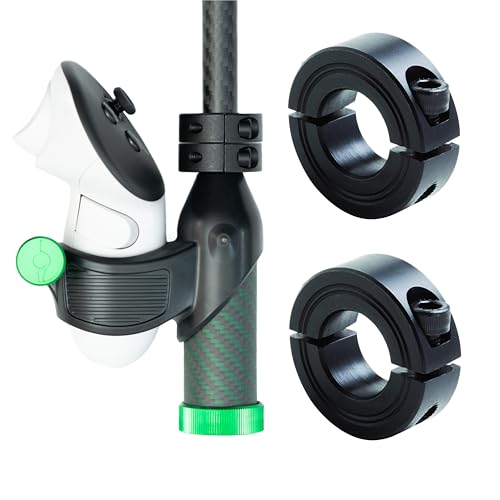
These 65-gram weights come in a 2-piece set and allow adjustable weight distribution for VR golf club shafts. They enable weight redistribution along the shaft to create a more realistic feel and balance. Best for players adjusting feel across different shaft extensions and seeking modular weight tuning.
Caution: Ensure compatibility with your club’s shaft system and installation method; not all VR accessories fit every model.
HNMFIT Brass Counter Weights For Graphite Shaft Butt

Brass counterweights for graphite shafts provide discreet weight options in multiple grams (4/6/8/10/12/14/16G). The package addresses a broad range of tuning needs, from light to heavier butt weights. Best for players who want brass options for graphite shafts and precise grams-based adjustments to swingweight.
Limitation: Availability of specific gram options may vary; plan based on the target swingweight shift you want to achieve.
Buying Guide
What should I consider when choosing counterweight weights?
- Shaft type: Steel shafts generally tolerate heavier butt weights; graphite shafts require precise fit inside the butt to avoid play or slippage.
- Shaf t diameter and bore: Measure the inside diameter of the shaft to ensure the chosen counterweight fits securely.
- Swingweight goals: Decide how much swingweight you want to reduce or adjust (e.g., 3–4 points for mid-weight changes).
- Weight range and options: Choose weights that cover your preferred grams (2–16g options are common) to tailor feel across practice or play.
- Install method: Some weights press directly into the butt or require a stem to seat within the shaft; ensure you have the necessary tools or mounting method.
How do counterweights affect performance?
- Balanced feel: Reducing head heaviness helps return the face to a square position more consistently, potentially improving accuracy.
- Tempo and leverage: Subtle weight changes can influence swing tempo and clubhead speed through consistent contact.
- Customization needs: They are a tuning tool—best used as part of a broader fitting approach rather than a standalone fix.
Which option is best for beginners versus advanced players?
- Beginners: Lighter weights (e.g., 12–16g on steel) for modest swingweight adjustments without overwhelming feel.
- Advanced players: Variable weights (like 65g VR weights or multiple gram options) to experiment with distribution and feel.
Frequently Asked Questions
- What is swingweight and how do counterweights change it?
Swingweight reflects the distribution of weight along the club. Counterweights at the butt end reduce the effective head weight, lowering swingweight to improve balance.
- Can I mix weights on the same club?
Yes, but ensure compatibility with each shaft and stage of the installation. Track total swingweight impact for consistent results.
- Are brass or steel weights better?
Brass tends to offer different density characteristics and may suit graphite or brass-shaft setups; steel is common for direct butt-weight fitting in steel shafts.
- How do I know which weight gram to start with?
Start with a moderate option (12–16g) and assess changes in feel and impact, then adjust by small increments as needed.
- Do these weights require professional fitting?
Not necessarily, but accurate measurement of shaft dimensions and careful installation are important for consistent results.
- Will counterweights affect club length?
Counterweights at the butt typically do not alter overall club length; they change balance and feel rather than length.